

Aussie Flashpacker Travel Guide - LUNAS33
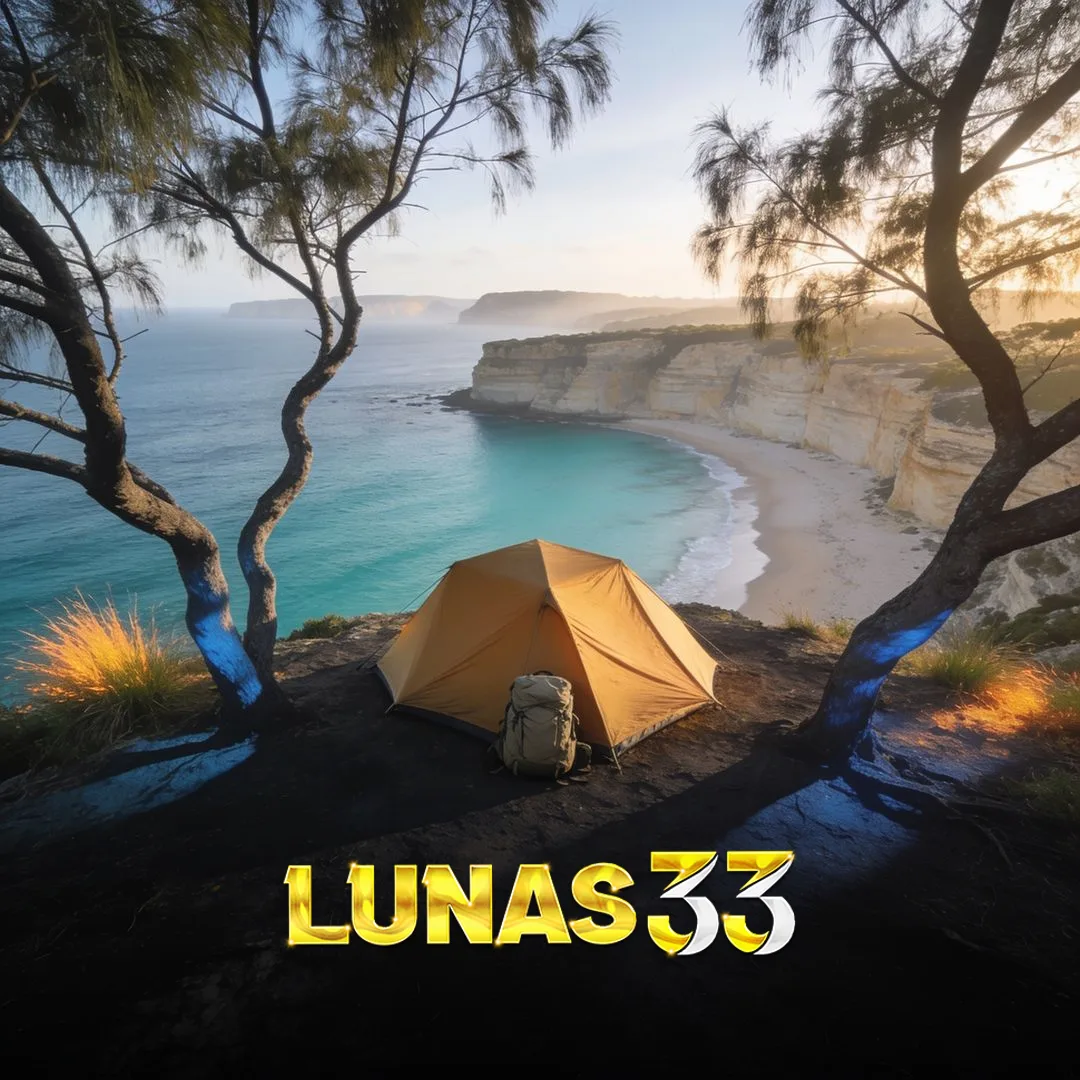

Aussie Flashpacker Travel Guide: How to Explore Australia with Comfort and Confidence
Australia is a destination where a single trip can include busy waterfront cities, quiet coastal towns, ancient landscapes, tropical rainforests, and some of the world's most recognizable natural attractions. For travelers who want to experience these different environments without sacrificing comfort, flashpacking offers a flexible way to explore. It combines the independence of traditional backpacking with more considered choices about accommodation, transportation, food, and activities.
Planning an Australian adventure requires a little more thought than choosing a few places on a map. The country covers an enormous area, and traveling between major destinations can take several hours by plane or much longer by road. Weather conditions, local transport networks, and accommodation prices also vary from one region to another. A good Aussie Flashpacker Travel Guide therefore needs to cover more than sightseeing recommendations. It should help travelers understand how to organize their time, choose suitable destinations, and make practical decisions before setting off.
Whether you are planning your first independent trip or looking for a more comfortable alternative to budget backpacking, the best approach is to build an itinerary around your interests rather than trying to see everything at once. With realistic expectations and a little preparation, Australia becomes easier to navigate and far more rewarding to experience.
Understanding the Flashpacking Travel Style
Flashpacking is a style of independent travel that balances exploration, flexibility, and comfort. Unlike a trip planned around spending as little as possible, flashpacking allows travelers to decide where saving money makes sense and where a little extra spending can improve the experience. That might mean choosing affordable accommodation in a city, paying for a convenient flight between distant regions, or booking a guided excursion that would be difficult to arrange independently.
Australia suits this approach because its travel experiences are varied. One day might involve exploring a city's café culture and museums, while the next could include a coastal walk, a national park visit, or a boat trip. Travelers can choose simple accommodation when they expect to spend most of the day outdoors and reserve a more comfortable room when they want time to rest and recharge.
The key is to make decisions based on the overall value of an experience. A cheaper hotel far from public transport may create additional travel costs, while a well-located room can save time and make sightseeing easier. Flashpacking is not about spending more for the sake of luxury. It is about creating a practical travel experience that feels enjoyable, manageable, and suited to individual preferences.
Planning Your Australian Adventure
1. Choosing the Best Time to Visit Australia
Australia does not have one universal travel season that suits every destination. The southern states experience cooler winters and warmer summers, while northern areas such as tropical Queensland have distinct wet and dry periods. This regional variation matters when planning activities, especially if your itinerary includes beaches, hiking trails, wildlife experiences, or long road journeys.
Summer can be appealing for coastal holidays in parts of southern Australia, although popular destinations may become busier during school holidays. Autumn and spring often provide comfortable conditions for exploring cities and walking outdoors, depending on the region. In tropical northern Australia, travelers should research local seasonal conditions before booking reef trips, rainforest excursions, or other outdoor activities.
When deciding on the best time to visit Australia, start with the experiences that matter most to you. Someone interested in city sightseeing may have more flexibility than a traveler planning several days of hiking or a remote road trip. Check regional forecasts, seasonal attraction schedules, and local safety information close to departure instead of relying on a general national weather summary.
2. Creating a Realistic Australia Travel Budget
Budgeting is an important part of independent travel because costs can add up quickly when destinations are far apart. Accommodation, meals, domestic flights, vehicle rentals, guided tours, and entrance fees should all be considered before setting a daily spending target. It is also worth allowing extra money for laundry, mobile data, travel between accommodation and attractions, and unexpected changes to your plans.
Travelers interested in Australia budget travel can reduce expenses by staying in accommodation with kitchen facilities, using public transportation where practical, and visiting free attractions. Many cities offer public gardens, waterfront walks, beaches, markets, and cultural districts that can fill a day without requiring expensive tickets. Preparing some meals independently can also help balance the cost of occasional restaurant visits.
However, the lowest price is not always the best deal. A very inexpensive room located far outside the area you want to explore may involve extra transport expenses and wasted time. Compare the total cost of each option, including location and convenience. This approach makes it easier to spend money on experiences that genuinely interest you while keeping everyday expenses under control.
3. Organizing Travel Documents and Essential Arrangements
Before purchasing non-refundable travel arrangements, check the entry requirements that apply to your nationality and reason for visiting Australia. Passport validity, visa approval, travel insurance, and any relevant booking documents should be organized well before departure. Requirements can differ between travelers, so use official government information rather than assuming that the same rules apply to everyone.
Keep digital copies of important documents in a secure location and make sure you can access essential booking details without relying entirely on a mobile connection. It is also useful to review your insurance coverage, particularly if you intend to rent a vehicle, take part in outdoor activities, or visit remote areas.
For longer trips, plan practical details such as mobile connectivity, payment methods, medication requirements, and access to emergency contacts. Taking care of these arrangements early leaves more time to enjoy the journey instead of dealing with avoidable problems after arrival.
Best Places to Visit in Australia
Choosing the right destinations is one of the most enjoyable parts of planning a trip, but the country's size makes prioritization essential. Rather than attempting to cover every state in a short visit, select places that offer the experiences you value most. A city-focused holiday, a coastal escape, and an extended outdoor adventure will each require a different route and pace.
1. Sydney: Harbour Views, Beaches, and City Life
Sydney is a strong starting point for first-time visitors because it combines well-known landmarks with beaches, restaurants, cultural attractions, and accessible public transport. The Sydney Opera House and Harbour Bridge provide classic views of the waterfront, while Circular Quay offers a convenient starting point for exploring the surrounding area. Visitors can also discover museums, historic neighborhoods, independent cafés, and markets that reveal different sides of the city.
Bondi Beach is popular for its coastal atmosphere and walking opportunities, but travelers should look beyond the busiest tourist spots as well. Coastal paths, neighborhood parks, and local dining areas can make an itinerary feel more varied. Those with additional time may consider a trip to the Blue Mountains, where scenic lookouts and walking trails offer a change from the urban environment.
For a short stay, it makes sense to group attractions by location instead of crossing the city repeatedly. Public transport can simplify movement between many major areas, while comfortable walking shoes are useful for exploring waterfronts and neighborhoods on foot. Sydney works particularly well for travelers who want a combination of sightseeing, food, and outdoor experiences without needing a rental car every day.
2. Melbourne: Food, Culture, and Creative Neighborhoods
Melbourne has a different atmosphere from Sydney, with a strong emphasis on cafés, street art, galleries, live events, and independent businesses. Exploring the central city on foot is a good way to discover its laneways, small restaurants, and distinctive shopping areas. Visitors interested in food can browse local markets, try different cuisines, and spend time in neighborhoods that each have their own character.
The city is also a convenient base for exploring parts of Victoria. The Great Ocean Road is a well-known option for travelers seeking coastal scenery, dramatic rock formations, and seaside stops. Depending on the available time, visitors can arrange a guided excursion or plan a longer self-drive journey with overnight stops along the way.
When considering Australia travel destinations, Melbourne is a good choice for people who prefer cultural activities and urban exploration alongside occasional day trips. Allowing several days in the city gives you room to enjoy its everyday atmosphere rather than treating it as a brief stop between flights.
3. Queensland: Tropical Rainforests and the Great Barrier Reef
Queensland offers a very different side of Australia, with tropical scenery, islands, rainforest environments, and access to the Great Barrier Reef. Cairns is a useful base for travelers interested in reef excursions and nearby rainforest experiences. The Whitsundays are another popular option, particularly for visitors who want to experience island scenery, beaches, and boat trips.
Activities in this region should be planned around local conditions. Weather, sea conditions, seasonal restrictions, and tour availability can affect which experiences are suitable on a particular day. Booking through reputable operators and following safety instructions is especially important for water-based activities. Travelers should also respect environmental guidance intended to protect coral reefs and sensitive natural habitats.
Queensland can fit into a longer itinerary, but it is worth considering flight times and distances before combining it with several southern cities. A focused trip that explores one tropical area properly may be more satisfying than trying to fit too many destinations into a few days.
4. Western Australia: Coastal Landscapes and Open Roads
Western Australia appeals to travelers who enjoy spacious landscapes, coastal scenery, and road trips that include time away from major cities. Perth provides a starting point for exploring the surrounding region, while areas such as Margaret River attract visitors interested in regional food, natural scenery, and outdoor activities. The state's size also creates opportunities for longer journeys, provided there is enough time to plan them safely.
Driving distances require careful consideration. Fuel stops, rest breaks, road conditions, and accommodation availability can become important when traveling outside metropolitan areas. Before leaving a major town, check the route, confirm where essential services are available, and avoid assuming that facilities will be close together in remote regions.
For travelers who have enough time, Western Australia can provide a rewarding alternative to a trip focused entirely on the east coast. The best itinerary depends on how much driving you are comfortable with and whether your main interests involve beaches, regional towns, wildlife, or wide-open landscapes.
Getting Around Australia and Choosing Accommodation
1. Selecting the Right Transportation
Transportation can significantly affect both the cost and pace of an Australian trip. Domestic flights are often practical for traveling between distant cities, particularly when vacation time is limited. Buses and trains can work well on selected routes, while public transport is usually a convenient choice for exploring major urban areas without dealing with parking or city traffic.
A rental car offers more independence when visiting regional attractions or traveling along scenic coastal routes. Before booking, compare rental conditions, insurance options, fuel costs, parking, and any driving restrictions. Travelers who are unfamiliar with local roads should also check licensing requirements and allow time to adjust to driving conditions.
A campervan may suit those planning an extended road trip, but the full cost includes more than the rental price. Fuel, campsite fees, equipment, and the time needed to drive between destinations all affect the overall budget. Choose the transport option that supports the itinerary rather than selecting a vehicle simply because it seems convenient.
2. Finding Accommodation That Matches Your Travel Style
Accommodation choices range from shared hostel rooms to private apartments, boutique hotels, holiday parks, and designated campsites. Hostels can be useful for meeting other travelers and sharing practical advice, while private rooms offer additional privacy after a full day of sightseeing. Holiday parks and campsites may be suitable for trips focused on nature, provided travelers follow local rules and reserve spaces where necessary.
Location should be a major part of the decision. A room near public transport or within walking distance of restaurants and attractions can make daily travel easier. Read recent reviews, compare the facilities included in the price, and check cancellation policies before confirming a reservation.
It can also be helpful to vary accommodation throughout the trip. A budget-friendly city stay followed by a more comfortable regional retreat can create a good balance between everyday savings and special experiences. The aim is to choose places that support the way you want to travel, rather than spending too much time searching for a single perfect option.
Experiences That Make an Australian Trip Memorable
1. Exploring Local Food and Neighborhoods
Food is an easy way to experience the character of a destination. Local markets, neighborhood bakeries, independent cafés, and casual restaurants often reveal more about everyday life than visiting only major tourist attractions. Taking time to explore beyond the busiest streets can also lead to interesting discoveries, from small shops to community events and local art spaces.
Instead of scheduling every meal in advance, consider leaving a little flexibility for places you discover along the way. Travelers who enjoy cooking can visit markets and supermarkets to prepare simple meals, while those who prefer eating out can set aside part of their budget for regional specialties and memorable dining experiences.
2. Enjoying Nature and Outdoor Activities
Australia's natural environments offer many ways to spend time outdoors, including coastal walks, national park visits, scenic drives, and guided wildlife experiences. The right activities depend on the destination, the season, and your level of experience. Some trails require suitable footwear and enough drinking water, while remote excursions may need additional preparation and local advice.
Follow posted signs, stay on designated tracks where required, and observe wildlife from a respectful distance. At beaches, pay attention to local warnings and swim only where conditions are appropriate. These simple precautions help protect both visitors and the environments that make Australia's landscapes so appealing.
Practical Tips for a Smooth Journey
1. Packing for Different Australian Conditions
A useful packing list begins with the destinations and activities on your itinerary. Lightweight clothing, comfortable walking shoes, sunscreen, sunglasses, and a reusable water bottle are useful for many trips. Travelers visiting cooler southern regions or planning mountain walks may also need warm layers and rain protection. For tropical destinations, quick-drying clothing can be practical, depending on the season and planned activities.
Avoid packing too many items that serve the same purpose, especially if you will be moving between several accommodation locations. A well-organized daypack can hold water, snacks, a light layer, and essential personal items during sightseeing. Before departure, check baggage limits for any domestic flights so that unexpected luggage fees do not disrupt your budget.
2. Staying Safe and Respecting Local Environments
Travel safety begins with understanding the conditions of the places you intend to visit. Check weather forecasts before hiking or driving long distances, follow beach safety guidance, and make sure someone knows your plans if you are heading into a remote area. Keep emergency contacts accessible and maintain a way to communicate when traveling outside major cities.
Responsible travel also means respecting local communities, cultural sites, and wildlife. Follow visitor instructions in national parks, dispose of waste appropriately, and choose tours that take environmental protection seriously. Small decisions can help reduce the impact of tourism while supporting local businesses and preserving destinations for future visitors.
Building an Itinerary Around Your Available Time
1. Planning a One-Week Australia Itinerary
With seven days, concentrating on one major city and its surrounding attractions is often the most practical option. A Sydney-based trip, for example, could include the harbor, nearby neighborhoods, coastal walks, and a day trip to a natural attraction. This approach limits time spent traveling between regions and leaves enough room to enjoy each stop without rushing.
Choose a small number of priorities for each day rather than trying to schedule activities from morning until night. Weather changes, transport delays, and unexpected discoveries can all affect plans. A little flexibility makes a short trip feel less demanding and gives you time to appreciate the places you visit.
2. Organizing a Two-Week Travel Route
A two-week trip creates more opportunities to combine different experiences, such as exploring Sydney before spending several days in Melbourne. Travelers particularly interested in tropical scenery might choose Queensland instead, depending on flight availability and seasonal conditions. The important thing is to account for airport transfers, check-in times, and travel between attractions when calculating how much time remains for sightseeing.
Before confirming bookings, map the route and compare transportation options. Moving between two well-connected destinations may be straightforward, but adding another distant region can introduce extra costs and reduce the time available for activities. A balanced itinerary should include travel days, relaxed sightseeing, and enough time to enjoy each destination properly.
3. Making the Most of a Three-Week Adventure
Three weeks provides greater flexibility for travelers who want to combine cities with regional destinations or a longer road trip. You might explore an eastern coastal route, focus on southern Australia, or spend more time in Queensland and its surrounding natural attractions. The best choice depends on your interests, budget, and comfort with longer travel days.
Even with three weeks, there is no need to cover the entire country. Australia is large enough that a more focused route can offer a richer experience than a schedule filled with constant flights and hotel changes. Choose destinations that connect logically, reserve extra time for longer journeys, and leave space for places that turn out to be more interesting than expected.
Conclusion
An Australian flashpacking trip offers the opportunity to combine independent exploration with comfortable accommodation, memorable outdoor experiences, and time to discover local culture. From Sydney's waterfront and Melbourne's creative neighborhoods to Queensland's tropical environments and Western Australia's open landscapes, each region has something different to offer.
The most rewarding journeys begin with realistic planning. Consider seasonal conditions, set a budget that reflects your priorities, choose transport carefully, and avoid squeezing too many destinations into a limited schedule. By balancing preparation with flexibility, travelers can enjoy a more comfortable and meaningful Australian adventure while making the most of the time and resources available to them.



